
Biodiversity — The Cornerstone of a Resilient and Sustainable Planet
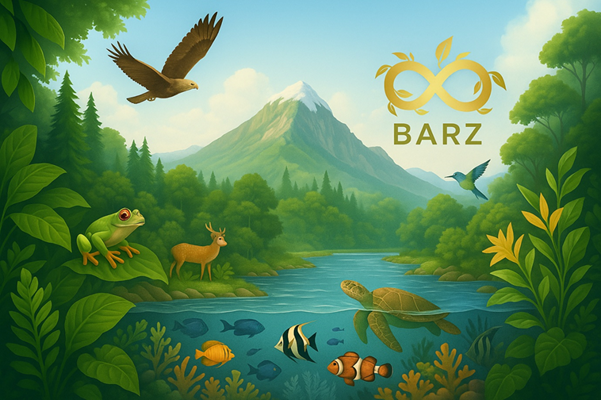
Biodiversity—the diversity of species, ecosystems, and genetic resources—is the bedrock of life on Earth. Every component, from soil microorganisms and pollinators to wetlands, forests, and marine ecosystems, contributes to ecological stability and the natural systems humanity depends on every day.
Why Biodiversity Matters
Biodiversity drives the essential functions that sustain economies, communities, and planetary health:
· Ecosystem services such as clean air, fertile soil, water filtration, and pollination.
· Climate regulation, with forests, wetlands, and oceans acting as major carbon sinks.
· Economic resilience, supporting agriculture, fisheries, tourism, and global supply chains.
· Human health, through genetic materials for medicines, natural disease regulation, and stable food systems.
When biodiversity declines, the consequences are immediate and systemic—threatening economic security, food production, and social wellbeing. Protecting biodiversity is therefore not just an environmental responsibility; it is a strategic imperative for long-term resilience and sustainable growth.
A Global Call to Action
Countries, financial institutions, and businesses worldwide are strengthening biodiversity strategies to safeguard natural capital. International commitments—such as the Kunming-Montreal Global Biodiversity Framework and the goal to protect 30% of land and oceans by 2030—are reshaping expectations for conservation, restoration, and nature-positive development.
From nature-based solutions to habitat restoration and improved land-use planning, the global agenda is shifting toward proactive stewardship. Organisations that integrate biodiversity into decision-making today are better positioned to manage risk, meet regulatory expectations, and contribute to a more resilient future.

