 BARZ
BARZ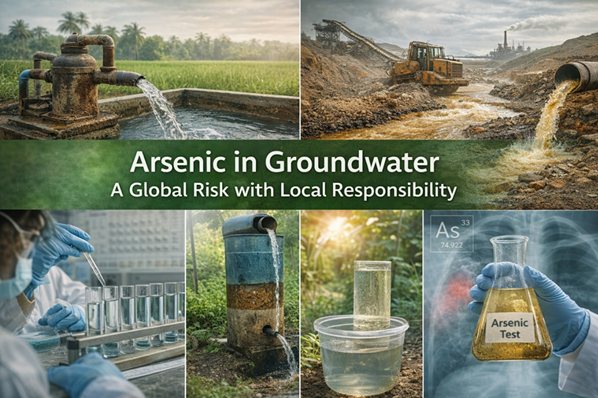
Arsenic contamination of groundwater is one of the most widespread — and most under-appreciated — environmental health risks in the world. For industries that draw on, or discharge near, shared water resources, it is also a responsibility.
Where it comes from
Arsenic enters groundwater from both natural geological sources and human activity — mining, smelting, certain pesticides and industrial discharge. Because it is colourless, odourless and tasteless in water, contamination often goes unnoticed until it shows up as a public-health problem. Long-term exposure is linked to skin lesions, cardiovascular disease and several cancers.
Why it matters for industry
Water is a shared resource. An operation that monitors withdrawal, discharge and quality is not just protecting a community — it is protecting its own licence to operate. Regulators and lenders increasingly expect water stewardship to be measured, disclosed and improved, the same way carbon is.
What responsible operators do
- Monitor water quality at withdrawal and discharge points, including trace contaminants.
- Track usage KPIs and flag risks early through structured reporting.
- Treat and reduce discharge, and design for reuse where possible.
- Disclose water performance transparently as part of ESG reporting.
BARZ Group’s water-management advisory produces a structured report — withdrawal, discharge, usage KPIs and risk flags — that turns a hidden risk into a managed one. Because a global risk is only ever solved through local responsibility.