 BARZ
BARZ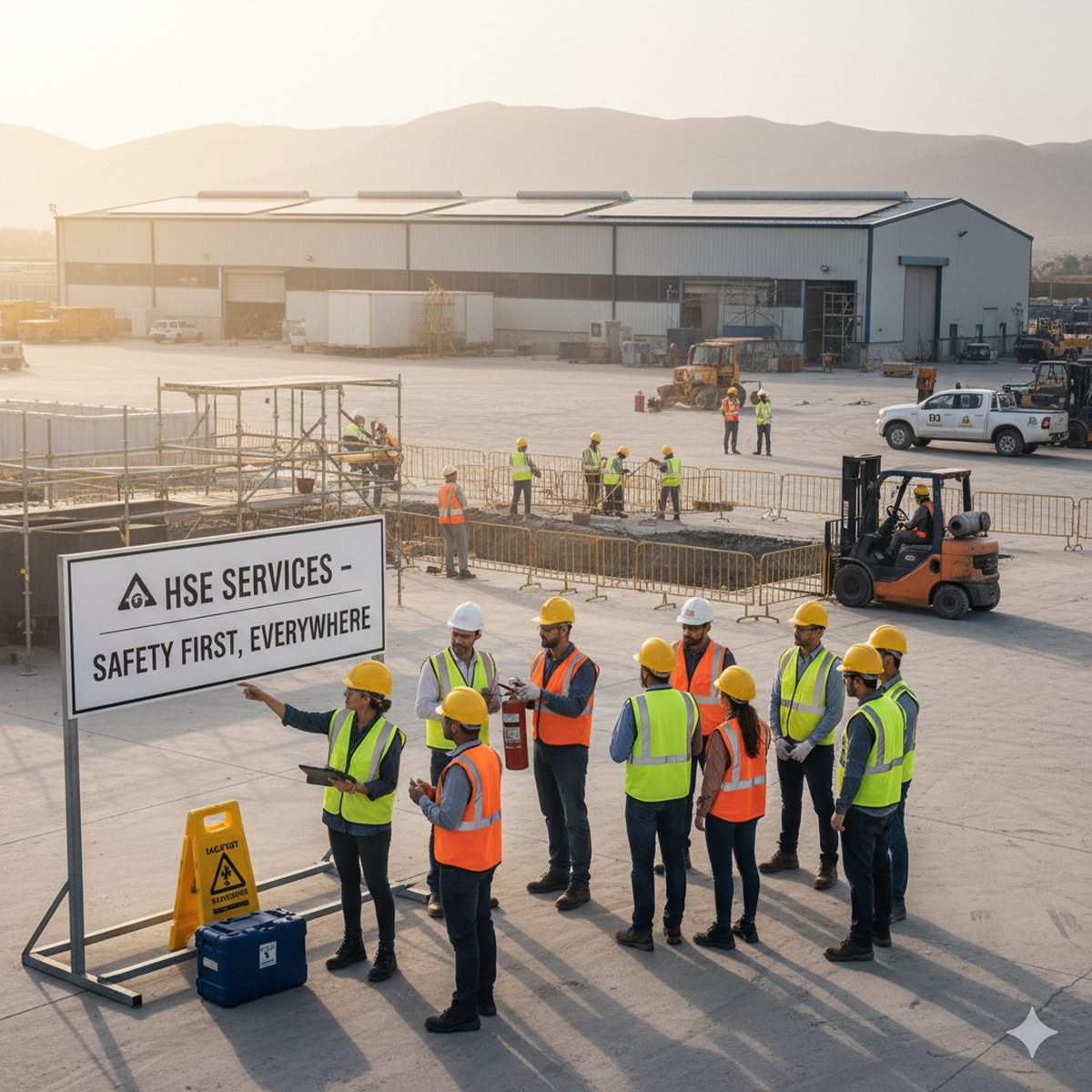
Safety is a shared responsibility. Every worker, supervisor and manager contributes to a safe and healthy workplace — and the goal is always the same: prevent incidents before they happen, through awareness, discipline and teamwork.
General safety principles
- Identify hazards before starting work.
- Follow company rules and safety procedures.
- Report unsafe acts or conditions immediately.
- Use equipment only for its intended purpose.
- Maintain good housekeeping at all times.
These principles apply everywhere: on a construction site, check scaffolding and guardrails before climbing; in an office, keep walkways clear of cables and clutter; in a warehouse, store heavy goods on lower racks and label aisles clearly.
Accident prevention
Preventing accidents is far more efficient than reacting to them. Incidents often occur because of haste, neglect or lack of attention. Regular inspections, maintenance and awareness training reduce the likelihood of injury or property damage. Daily toolbox talks, lock-out/tag-out before repairs, and using a step ladder instead of a chair are small habits that compound into a strong safety record.
Fire and emergency readiness
Fire prevention focuses on removing ignition sources, controlling fuels and maintaining awareness. Combined with clear emergency plans, drills and accessible equipment, it turns a potential catastrophe into a managed, rehearsed response.
From standards to culture
Written standards only work when they become habits. Mapped to ISO 45001 and reinforced through training and audits, HSE standards move an organisation from compliance to a genuine safety culture — one where zero-harm is the shared expectation, not the aspiration.